How to Compare Prescription Drug Prices
Prescription drug costs vary wildly between pharmacies — sometimes by hundreds of dollars for the exact same medication, same dose, same manufacturer. Most people never check, because it feels like the price should be fixed. It is not. Here is how to actually compare and find the best price.
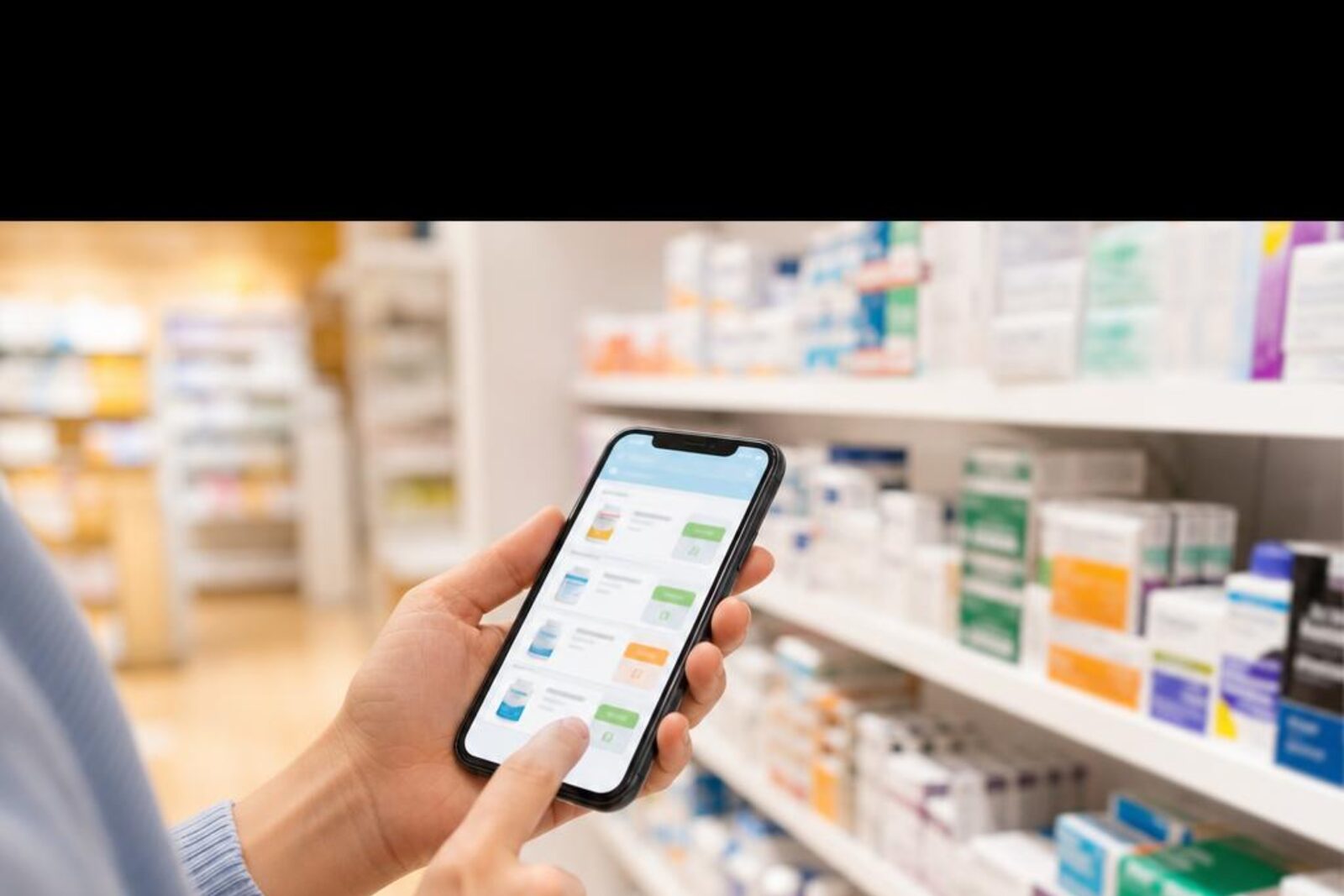
Here is the part almost nobody tells you: the price on the sticker at your pharmacy counter is often not the real price, and it is rarely the lowest price. Pharmacies negotiate different reimbursement rates with different insurers and discount networks, which means the same 30-day supply of the same generic medication can cost $9 at one counter and $85 at the pharmacy across the street. Comparing prices before you fill a prescription is one of the highest-value five minutes you can spend on your health budget.
Why the same drug has so many different prices
Prescription pricing is not one number — it is a negotiation between four parties: the manufacturer, the pharmacy benefit manager (PBM), your insurer, and the pharmacy itself. Each of those parties has its own contract and its own markup. That is why:
- Your insurance copay can sometimes be higher than the cash price for the same drug.
- Discount cards (which are not insurance at all) can beat your insurance copay outright.
- A 90-day supply is often cheaper per day than three separate 30-day fills.
- Two pharmacies four blocks apart can differ by 5–10x on the exact same generic.
None of this is a scam you need to avoid — it is just a fragmented market you need to shop in the same way you would shop for a flight or a mattress.
What the price actually depends on
Illustrative example only — your numbers will vary by drug, pharmacy, and location.

The five sources to check, in order
- Your insurance formulary tier. Log into your insurer's portal and search the drug name. Tier 1 (preferred generic) is usually cheapest; tier 3+ (brand, non-preferred) can be dramatically more expensive. If your drug is a high tier, ask your provider whether a lower-tier alternative works just as well.
- A price-comparison tool. Sites like GoodRx and similar discount platforms show real-time prices at nearby pharmacies for both insured and cash-pay prices — often revealing that the cash price beats your copay.
- Mail-order or cost-focused pharmacies. Options such as Mark Cuban's Cost Plus Drugs sell many generics at cost plus a flat markup, frequently far below retail, especially for common maintenance medications.
- Manufacturer savings programs. Many brand-name drugs (especially ones without a generic yet) have manufacturer copay cards that can cut your out-of-pocket cost substantially if you have commercial insurance.
- Your pharmacist, directly. Ask, "Is there a cheaper way to fill this — cash price, a different quantity, or a different generic manufacturer?" Pharmacists see the pricing chaos daily and often know a workaround before you even ask.
A simple pricing checklist before every new prescription
- ☐ Is there a generic version available, and has my provider considered it?
- ☐ What does my insurance actually charge for this drug at this pharmacy?
- ☐ What is the cash price at 2–3 nearby pharmacies, and is it lower than my copay?
- ☐ Would a 90-day supply lower my per-dose cost?
- ☐ Is there a manufacturer coupon or patient assistance program for this medication?
- ☐ Does a mail-order pharmacy offer a materially better price for a maintenance medication I take long-term?
Ready when you are
See if you're a candidate for online care
A licensed provider reviews your information and lets you know your options — no obligation to continue.
Start an online visitComparing costs for GLP-1s and other newer medications
Newer, brand-name medications — like GLP-1 weight loss drugs — do not yet have generic competition, so pricing is less flexible but not fixed. Options that can lower cost include manufacturer savings cards for eligible patients, compounded formulations offered through certain licensed pharmacies, and comparing the total visit-plus-medication cost across different online care platforms rather than assuming they are all priced the same.
When the cheapest option is not actually the best option
Price matters, but it should never be the only factor. A dramatically cheaper "discount" pharmacy that is not licensed, or a medication sourced outside a legitimate supply chain, is not a bargain — it is a risk to your safety. Always fill prescriptions through a licensed pharmacy, and always let a licensed provider confirm that switching to a lower-cost alternative (a different generic, a different dose, a different manufacturer) is medically appropriate for you before you make the switch yourself.
Start with a conversation, not a guess
The fastest way to find out what a medication will actually cost you is to talk to a licensed provider who can review your options, including lower-cost alternatives, generic equivalents, and whether your condition is one telehealth can manage affordably from home.
Frequently Asked Questions
Why is my insurance copay sometimes higher than the cash price?
Insurance copays are set by your plan's formulary tier and negotiated PBM rates, not by the pharmacy's actual cost. For many inexpensive generics, the negotiated cash price or a discount card price can undercut your copay entirely. It is always worth asking the pharmacist to run both numbers before you pay.
Are prescription discount cards safe to use instead of insurance?
Yes. Discount cards are not insurance, but they are a legitimate negotiated rate with a pharmacy network, and pharmacies accept them routinely. You can use a discount card instead of your insurance on a per-fill basis whenever it is cheaper, though the purchase typically will not count toward your insurance deductible.
Does a 90-day supply always save money?
Often, but not always. For stable, long-term maintenance medications, a 90-day supply usually lowers the cost per dose and reduces pharmacy dispensing fees. It is less useful for new medications where your dose might change, since you could end up paying for pills you do not finish.
Can I ask my doctor to switch me to a cheaper medication?
Yes, and most providers welcome the conversation. Ask directly whether a generic, a different drug in the same class, or a different dosage form would be equally effective and less expensive. Never make the switch yourself without provider approval, since even similar medications can differ in dosing or interactions.
Is it safe to buy prescriptions from an online pharmacy to save money?
Only from a pharmacy licensed in your state, filling a prescription written by a licensed provider. Unlicensed sellers offering prescription medication without a prescription are a safety risk regardless of the price. A legitimate online care platform will always route your prescription through a licensed pharmacy.