Can You Get Prescriptions Online?
Yes — for many conditions, licensed healthcare providers can evaluate you through a telehealth visit and prescribe medication electronically. It is legal, common, and often faster and cheaper than an in-person visit. Here is how it actually works and what to expect.
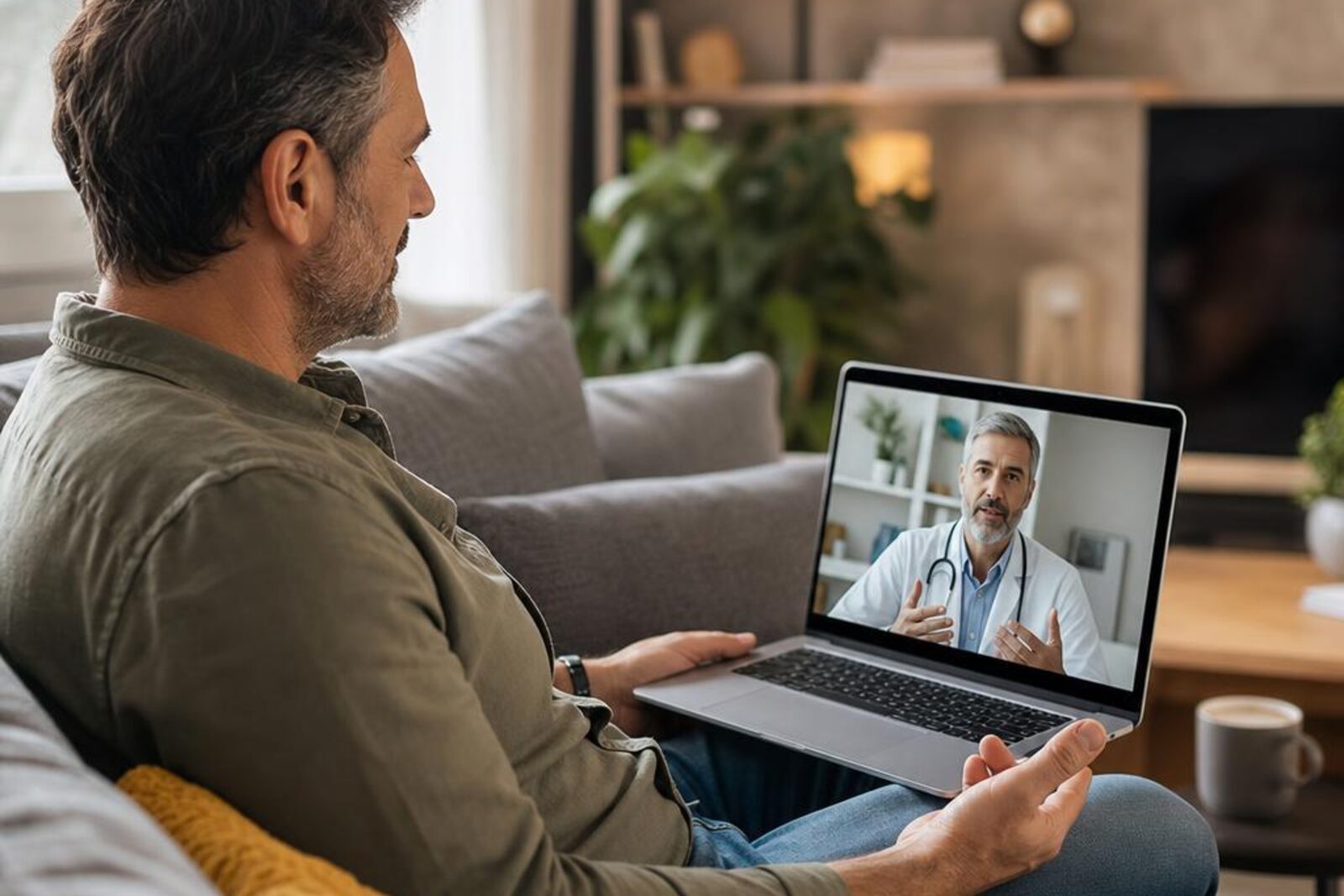
Online prescribing has moved from a niche convenience to a mainstream part of American healthcare. Millions of people now get routine prescriptions — for everything from blood pressure medication to erectile dysfunction treatment to weight loss drugs — without ever sitting in a waiting room. The short answer to "can you get prescriptions online" is yes, for most non-emergency, non-controlled conditions, as long as a licensed provider evaluates you first.
Is it actually legal?
Yes, in all 50 states. Telehealth prescribing is regulated at the state level, and every state permits licensed providers to prescribe most medications after a telehealth evaluation, provided the provider is licensed in the state where the patient is physically located at the time of the visit. What varies by state is the level of detail required in the evaluation and the rules around certain medication categories, particularly controlled substances.
Online visit vs. traditional office visit

What telehealth handles well
- Chronic, stable conditions — high blood pressure, high cholesterol, thyroid management, and other conditions monitored with routine labs.
- Sexual health — erectile dysfunction treatment with medications like sildenafil and tadalafil.
- Weight management — GLP-1 medications prescribed and monitored with periodic check-ins.
- Hair loss — finasteride and minoxidil, which require ongoing but low-complexity monitoring.
- Mental health maintenance — ongoing management of previously diagnosed anxiety or depression with established medications.
- Skin conditions — acne and anti-aging treatment where visual assessment via photo or video is often sufficient.
What telehealth cannot and should not handle
A responsible online provider will always redirect you to in-person or emergency care for:
- Chest pain, difficulty breathing, or any suspected medical emergency
- A new, undiagnosed symptom that needs a physical exam, imaging, or in-person testing
- Most controlled substances (many stimulants, opioids, and certain anti-anxiety medications), which face additional federal and state restrictions on telehealth prescribing
- Conditions that require hands-on examination, like a suspicious lump, an injury, or a possible fracture
Ready when you are
See if you're a candidate for online care
A licensed provider reviews your information and lets you know your options — no obligation to continue.
Start an online visitHow the visit itself typically works
- Complete an intake questionnaire covering your symptoms, medical history, current medications, and allergies.
- Video, phone, or asynchronous review — depending on the platform and your state's requirements, a licensed provider may speak with you live or review your intake and follow up with questions.
- Provider decision — the provider determines whether you are an appropriate candidate for the requested medication, an alternative, or no medication at all.
- Electronic prescription — if appropriate, your prescription is sent directly to a pharmacy of your choice, exactly like an in-person visit.
Questions worth asking before you start
- Is a licensed provider in my state reviewing my case, not just an algorithm?
- What happens if the provider decides I am not a good candidate — is there a refund policy?
- Are follow-up visits and refills included, or billed separately?
- Which pharmacy will the prescription be sent to, and can I choose my own?
The bottom line
Getting a prescription online is not a workaround or a gray area — it is a normal, licensed part of modern healthcare for a wide range of conditions. The key is choosing a platform that puts a real, licensed provider between you and the prescription, not just a form that auto-approves requests.
Frequently Asked Questions
Is it legal to get a prescription from an online doctor?
Yes, in all 50 states, as long as the provider is licensed in the state where you are physically located during the visit and follows that state's telehealth requirements. Legitimate platforms are transparent about provider licensing. It is illegal only when there is no licensed provider genuinely evaluating you.
What medications can't be prescribed online?
Most controlled substances, including many stimulants, opioids, and certain anti-anxiety medications, face additional federal and state restrictions on telehealth prescribing and often still require an in-person evaluation. Conditions needing a physical exam, imaging, or emergency care are also not appropriate for telehealth.
Do online doctors run labs before prescribing?
It depends on the medication. Some conditions can be safely evaluated through history and symptoms alone, while others, like testosterone therapy or certain weight loss treatments, typically require baseline labs. A responsible platform will tell you upfront whether labs are needed for your specific request.
How fast can I get a prescription through telehealth?
Many platforms offer same-day evaluations, with an electronic prescription sent to your pharmacy within hours if the provider determines you're a candidate. Some conditions requiring labs or additional review can take a few days. This is typically much faster than scheduling a new in-person appointment.
What if the online provider decides I'm not a good candidate?
A licensed provider can decline to prescribe if it isn't medically appropriate for you, the same as an in-person doctor would. Reputable platforms disclose their refund or credit policy for this scenario before you pay, and many will suggest an alternative treatment or recommend in-person care instead.
Medications discussed in this guide
Educational overviews — dosing, side effects, cost and how to talk to a provider.